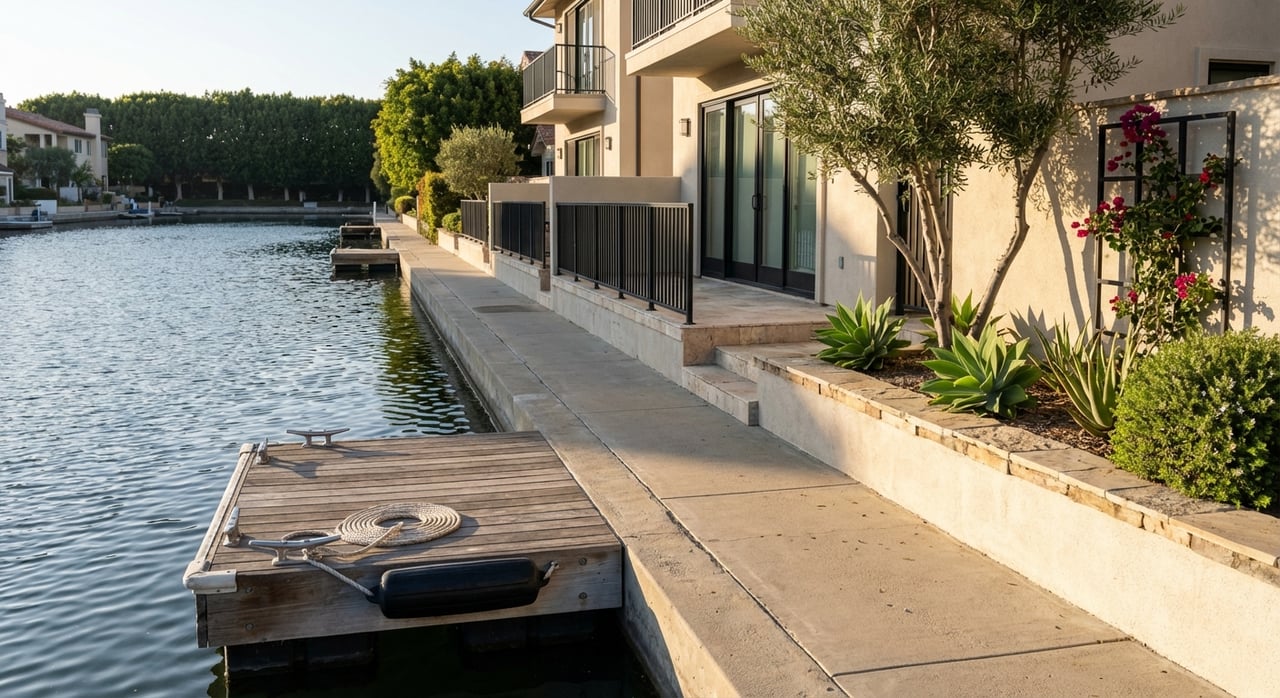
You picture stepping onto a small electric boat at sunset, gliding to dinner, and waking up to the soft hum of harbor life. If you’re weighing a move near Newport Harbor, you likely want that easy water access without surprises. In this guide, you’ll learn how harbor‑close living actually works day to day, what homes look like, how boat moorage is organized, and the maintenance and permit items to plan for. Let’s dive in.
Harbor life: what to expect
Everyday rhythm on the water
Life near the harbor centers on the water. You’ll see Duffys, kayaks, and paddleboards out most days, and many residents arrive at restaurants by boat. There is an established “dock and dine” circuit that makes dinner by water a simple routine for locals and guests. You can browse options on the city’s visitor page for the harbor’s dock and dine experiences.
Trails, nature, and quiet escapes
When you want a break from boat traffic, the Back Bay is close by. Upper Newport Bay is a protected estuary with a multi‑use loop for jogging, biking, birdwatching, and kayaking. It’s one of the area’s best weekend resets and a major local asset. Learn more about the preserve through the state’s overview of Upper Newport Bay.
Dining and retail hubs
Harbor‑close living puts you near walkable pockets like Lido Marina Village and, a short drive inland, Fashion Island. Lido’s blend of boutiques, dining, farmers market, and marina access is a regular stop for many residents. The area has been an anchor for waterfront retail and lifestyle, highlighted by ongoing investment and activation around Lido Marina Village.
Neighborhoods and home types
Where people live around the harbor
- Balboa Peninsula: Bayside blocks near marinas and the fun zone, with ocean access a short walk away.
- Balboa Island: Intimate streets and cottage‑style homes with a close connection to the water.
- Lido Isle and Mariners’ Mile: Residential pockets near marina services and a boat‑oriented commercial strip.
- Corona del Mar / Newport Center edges: Elevated settings with village retail nearby and quick access to the harbor.
Each pocket offers a different mix of walkability, parking patterns, and boat access, so match the block to your day‑to‑day needs.
What homes look like
You’ll find everything from small boathouse‑style cottages to low‑ and mid‑rise condos and contemporary estates. Some older docks and wood pilings remain, while newer rebuilds lean on marine‑grade materials and more modern design. If you love classic charm, you’ll find it. If you prefer sleek, you’ll find that too.
Price context and tradeoffs
Newport Beach is a high‑cost coastal market. As of January 2026, Zillow’s citywide ZHVI indicates typical home values in the low‑to‑mid $3 million range, and true waterfront parcels often trade above the median. Affordability usually improves a block or two off the water, especially with condos. Just remember condos may add HOA fees and may not include private moorage. Always confirm whether a listing includes a pier or side‑tie, or if a separate city mooring permit or license is involved through the City’s mooring program.
Boating access and moorage
How access works in Newport Harbor
Boat storage and access come through a few channels: residential piers tied to waterfront parcels, private marina slips, and city‑managed moorings or mooring licenses. The City oversees permits, licensing, and inspections, and harbor structures are governed by local code. If your purchase includes a pier or mooring, expect specific rules on maintenance, transfer, and compliance spelled out in the municipal harbor code.
Mooring permits and transfers
Mooring permits have real market value and are transferred through the City’s process. Transfer fees, assignment rules, and the condition of mooring equipment are all material to your purchase. Before you write an offer, request the current permit or license status, the transfer history, and the most recent inspection report. The City details roles and responsibilities on its mooring permits and license page.
Private marinas and slip availability
Private marina slips can be limited, carry monthly fees, and sometimes have waitlists. Terms vary by marina, including ownership vs rental and any transfer options. If a slip is central to your lifestyle, verify availability and costs in writing before you close.
Maintenance and regulations
Dock and pier rules at transfer
When a waterfront property changes hands, the City often requires inspection of harbor structures and correction of deficiencies before transferring permits. That can affect closing timelines and budgets. Get ahead of it by planning a harbor‑structure inspection early and reviewing applicable sections of the harbor code with your agent.
Ongoing upkeep to budget
Saltwater accelerates corrosion and wood decay, so plan for recurring checks on moorings, buoys, chains, pilings, and any seawall or bulkhead. The City’s harbor rules outline owner responsibilities, including periodic lifting and inspection of mooring tackle. Budget for marine‑grade materials and specialized contractors, and set a capital reserve for long‑life components.
Seawalls, coastal permits, and sea‑level rise
Shoreline armoring such as seawalls and bulkheads is regulated locally and often requires coastal permitting. Project approvals typically involve City review and, in many cases, consideration under state coastal guidance that uses best‑available sea‑level science. Start with local shoreline rules in the city code on coastal zoning and California’s sea‑level rise guidance to understand what is likely to be permitted.
Flood zones, insurance, and elevation
Lenders and insurers rely on FEMA flood maps and elevation data to set requirements and premiums. As part of due diligence, request the property’s Elevation Certificate, FEMA FIRM zone, and recent flood insurance history. The City provides resources and links to maps on its flood maps page.
Seasonality and events
Harbor life has a strong seasonal rhythm. Summer weekends and holidays bring more boat traffic, higher restaurant demand, and tighter parking. December’s Newport Beach Christmas Boat Parade is a multi‑night, high‑impact week for harborfront streets, with festive energy and notable crowding. For context, see local coverage of the Christmas Boat Parade.
Smart due‑diligence checklist
- Pier, dock, and mooring documents: current permits or licenses, last inspection report, and any Harbor Department notices. Use the City’s mooring program page as a reference.
- Mooring status and condition: permit vs license, transfer history, and tackle condition verified by a qualified marine contractor.
- Flood and elevation: Elevation Certificate, FEMA FIRM zone, flood insurance history, and lender requirements. Review the City’s flood resources.
- Seawall/bulkhead records: permits, inspection reports, and any coastal approvals. Check local shoreline rules and state guidance.
- Structural and pest surveys: timber piling condition, marine borer or rot assessments, and corrosion checks on metal components.
- HOA and marina agreements: whether a slip is included, separately leased, or subject to a waitlist, plus guest‑docking rules.
- Local event impact: seasonal calendars and major events that influence traffic, parking, and short‑term rental demand.
Is harbor‑close right for you?
If you love being on the water, want easy access to dining by boat, and enjoy an active coastal community, harbor‑close living delivers daily joy. Just plan for higher purchase prices, specialized maintenance, and a bit of seasonal bustle. With the right due diligence and a clear plan for permits, inspections, and long‑term upkeep, you can buy with confidence and make the most of harbor life.
Ready to evaluate a specific property, line up inspections, or sanity‑check a dock or mooring plan? Connect with the construction‑savvy team at Vinter Luxe Real Estate for tailored guidance.
FAQs
What does a typical day look like living near Newport Harbor?
- Expect mornings on the trail or water, daytime errands at nearby retail nodes, and evenings with easy “dock and dine” options supported by the city’s dock and dine network.
How do mooring permits and transfers work in Newport Beach?
- The City manages mooring permits and licenses with specific transfer rules and fees; always verify status and review the City’s mooring program details before closing.
What maintenance costs should I expect for docks and seawalls?
- Saltwater exposure increases wear on pilings, hardware, and seawalls; budget for periodic inspections, marine‑grade materials, and specialized contractors as outlined in the harbor code.
Do I need flood insurance for a harbor‑adjacent home?
- It depends on your FEMA flood zone and elevation; lenders and insurers will advise, and you can review local resources and maps on the City’s flood maps page.
Can I raise a seawall or replace a pier if I buy waterfront?
- Often yes, but approvals typically require City review and may involve coastal permitting; start with the coastal zoning rules and California’s sea‑level rise guidance to set realistic timelines and scope.