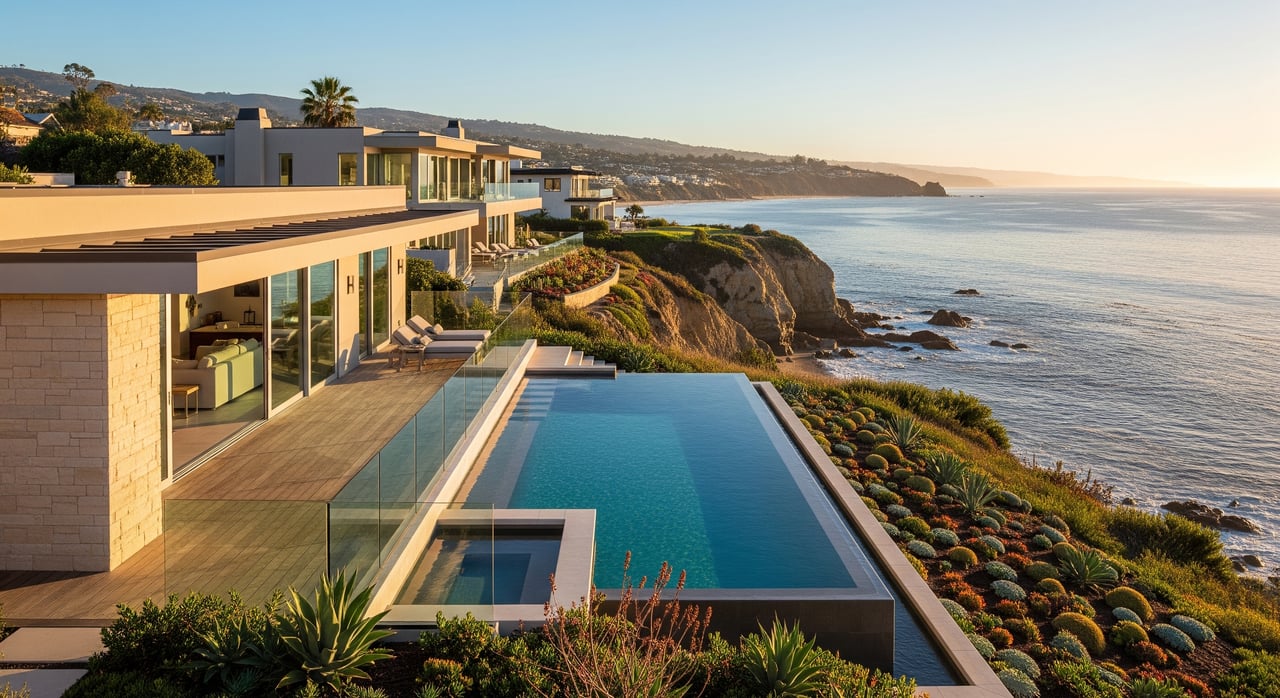
Choosing between a front-row seat to the Pacific or a quiet hillside perch is a big call. Both options in Laguna Beach promise incredible views and a one-of-a-kind lifestyle. The question is which daily rhythm, upkeep, and long-term value fit you best.
You want clarity before you commit. This guide breaks down how oceanfront and hillside living differ in daily life, maintenance, renovation potential, permits, and resale. You will also get neighborhood context and a practical checklist you can use at your next showing.
Let’s dive in.
Oceanfront living: what to expect
Daily rhythm and access
When you live on or near the sand, you get easy access to beaches, coastal parks, galleries, and restaurants. Many errands and outings are walkable, especially near Main Beach and the Heisler Park corridor. Expect more energy in high season with events, visitors, and a steady flow of pedestrians and cyclists.
Microclimate and maintenance
Oceanfront areas tend to be cooler and more consistent in temperature, with onshore breezes and morning humidity. Seasonal marine layer, often called June gloom, can soften views in the morning before burning off. Salt air speeds up wear on metal, paint, decking, railings, and mechanical systems, so you will likely plan for more frequent exterior maintenance and corrosion-resistant materials.
Privacy, parking, and noise
Living near the coast comes with more ambient noise from beach activity, nightlife, cars, and seasonal events. Street parking can be limited or metered, and guest parking is often tight during busy months. You trade some privacy for the convenience of being steps from the water and downtown.
Renovation and permits
Many ocean-adjacent properties sit within the Coastal Zone. Projects may require Coastal Development Permits and city approvals, which can add time, public notice, and specific conditions. Older cottages and mid-century homes often need seismic, electrical, plumbing, and energy updates. Lot coverage limits, tight setbacks, and historic character can influence what you can change or expand.
Hillside living: what to expect
Space, quiet, and views
Hillside neighborhoods like Alta Laguna, Bluebird Canyon, and ridge areas offer more privacy, larger lots, and panoramic sight lines that can include ocean, canyon, and city lights. Views vary by elevation, orientation, and neighboring homes or trees. Even with big vistas, expect a calmer day-to-day feel than the waterfront.
Getting around and access
Hillside streets are often steep and winding. You will drive for most errands and rely on garages and driveways for parking. Some pockets near Laguna Canyon Road or Alta Laguna have easier access to services, but walking routes are still steeper than downtown.
Climate and maintenance
At higher elevations you often get more sun and less fog, with warmer days and cooler nights. Salt exposure is lower than on the waterfront. Maintenance priorities shift to drainage, retaining walls, erosion control, and vegetation management. In wildland-urban interface zones, defensible space and fire-hardening measures may be required.
Renovation and permits
Hillside homes often use engineered foundations, terracing, and retaining walls. Modifications typically need geotechnical reports and careful engineering. Driveway grades and narrow streets can complicate construction access and staging. City permits are required for structural work, and discretionary review is common for hillside projects.
Neighborhood snapshots
Downtown and Heisler Park
This is classic Laguna with galleries, dining, and beachfront parks at your doorstep. Lots are often smaller with cottages, bungalows, and custom remodels. The upside is walkability and energy. The tradeoff is tighter setbacks, more public activity, and parking limits.
North Laguna and Emerald Bay
North Laguna near the bluffs offers scenic coastal views and proximity to coves. Emerald Bay is a gated beach community known for beach access and private amenities. Across these areas, plan for Coastal Zone considerations and potential HOA or design review in community-governed pockets.
Alta Laguna / Top of the World
High on the ridge above town, Alta Laguna delivers big views, larger lots, and quiet streets. The feel is residential and serene. Access is by winding roads, and many homes are multi-level to work with the slope.
Bluebird Canyon and Laguna Canyon
Bluebird Canyon blends hillside homes with canyon green space. Laguna Canyon Road serves several residential pockets with easier access to inland routes. Expect a stronger focus on drainage and slope stability, plus wildfire defensible space where applicable.
Renovation and development: what really matters
Lot orientation and slope
West or southwest exposure captures shining sunsets and ocean views. South-facing terraces get stronger midday sun, useful if you plan solar. Steeper lots increase costs for foundations, retaining walls, stairs, and construction access. Flatter coastal pockets are easier and often less expensive to remodel but are rare.
Age and structure
Older oceanfront cottages and mid-century homes may need significant system upgrades. Newer or post-1970s custom homes, common on hillsides, tend to meet more current codes but rely on complex foundations. Any change to a hillside structure usually triggers updated geotechnical analysis.
Regulatory layers
Within the Coastal Zone, you may need Coastal Development Permits or local approvals consistent with the city’s Local Coastal Program. Hillside work often includes discretionary review. Across the city, expect permits for structural work and additions, with added requirements for wildfire fuels management and erosion control in certain zones. HOA design standards can apply in gated communities.
Costs, insurance, and resale
- Price premium: Direct ocean access and strong ocean views typically command a higher price. Scarcity helps oceanfront values hold up over time. Hillside homes draw buyers seeking privacy and panoramic views, with marketability tied to view quality, access, and condition.
- Maintenance costs: Oceanfront owners plan for more frequent exterior upkeep due to salt and moisture. Hillside owners budget for drainage, retaining walls, vegetation management, and slope monitoring.
- Insurance: Standard homeowners policies usually exclude flood and earthquake by default. Coastal proximity, bluff conditions, and wildfire exposure can influence premiums and availability. It is wise to obtain quotes early in your search.
Which lifestyle fits you? Quick self-check
Choose oceanfront if you want:
- Walkability to beaches, parks, galleries, and dining.
- Flat beach walks, water activities, and a lively vibe.
- Daily sunset views and the sensory feel of ocean breezes.
Choose hillside if you want:
- More space, privacy, and a quieter daily routine.
- Layered ocean, canyon, and city-light views.
- Direct access to trails and a sunnier, less foggy microclimate at elevation.
Home visit checklist
Use this list to frame questions at showings and during due diligence.
- View stability: Ask if views could change due to neighbor construction or tree growth. Confirm zoning and likely buildable envelopes on adjacent lots.
- Light and shade: Visit at different times of day, especially at sunset, to see glare, shade, and marine layer effects.
- Access and parking: Check driveway slope, garage dimensions, guest parking rules, and any local permit zones.
- Permit history: Request prior building permits, Coastal Development Permits where relevant, geotechnical reports, and recent structural inspections.
- Utilities and drainage: Confirm municipal water/sewer, stormwater management, and any private systems.
- Insurance and hazards: Get quotes for homeowners, flood if applicable, and earthquake; ask about wildfire risk and defensible space compliance in hillside areas.
- Maintenance records: For oceanfront, review repainting cycles, metal replacement, and HVAC corrosion issues. For hillsides, review retaining wall upkeep, drainage fixes, and slope stabilization.
- Renovation feasibility: Speak with city planning about probable review timelines, setbacks, and constraints. Clarify staging and access for contractors, especially on narrow hillside streets.
How Vinter Luxe helps you choose
If you are weighing oceanfront versus hillside, you benefit from an advisor who blends market insight with construction literacy. With 20+ years in custom-home construction and remodeling, our team evaluates structure, drainage, foundations, coastal exposure, and permit paths before you commit.
Here is how we guide you:
- Property condition walk-throughs that flag hidden costs early, from corrosion-prone systems near the coast to drainage and retaining wall needs in the hills.
- View, light, and orientation analysis so you understand how sunsets, marine layer, and neighboring sight lines affect daily living and value.
- Renovation feasibility and ballpark scope planning informed by local permitting norms, geotechnical requirements, and Coastal Zone rules.
- Insurance, access, and construction logistics insights to prevent surprises with steep driveways, staging, or parking limits.
- Seller preparation strategies that pair targeted upgrades with polished marketing to highlight what buyers value in each location.
You deserve a home that fits your lifestyle and a plan that respects your budget and timeline. Ready to explore the right Laguna Beach perch for you? Reach out to Vinter Luxe Real Estate to start a focused, construction-informed search.
FAQs
What are the biggest differences between oceanfront and hillside living in Laguna Beach?
- Oceanfront offers walkability, beach access, and a lively scene with higher maintenance from salt exposure. Hillside offers privacy, panoramic views, and a quieter pace with a focus on drainage and slope stability.
How does the marine layer affect oceanfront homes and views?
- Morning humidity and fog can soften or obscure views until conditions clear, especially in late spring and early summer, while temperatures remain cooler and more consistent.
What permits are common for remodeling near the beach or in the hills?
- City permits are required for structural work and additions. Coastal Zone projects may need Coastal Development Permits, and hillside work often needs geotechnical reports and discretionary review.
How does wildfire risk impact hillside homeowners in Laguna Beach?
- Many hillside areas are in wildland-urban interface zones, so you may need defensible space and fire-hardening measures, which influence maintenance and insurance.
Are oceanfront homes more expensive to maintain than hillside homes?
- Typically yes for exterior systems due to salt corrosion and moisture. Hillside homes may spend more on drainage, retaining walls, vegetation management, and slope monitoring.
What should I verify about a home’s view before making an offer?
- Confirm whether trees or future construction could block sight lines, and review zoning, neighbor build envelopes, and any applicable easements or view corridor rules.
Ready to compare properties with a construction-informed plan? Connect with Vinter Luxe Real Estate to schedule a consult.