What makes one Dana Point home command a premium while a similar property sits on the market? If you have tried to read price charts and listing language in this coastal pocket of Orange County, you know it can feel confusing. You want a clear, local view of what drives value so you can move with confidence. In this guide, you will learn how the Dana Point market behaves, which micro-markets matter, how views and walkability affect price, and the smart ways to read listings and time your move. Let’s dive in.
Dana Point at a glance
As of January 2026, public data shows Dana Point’s median sale price near $1.995 million, with homes taking about 86 days to sell and a sale-to-list ratio around 98.2 percent. Those averages hide big differences by neighborhood and property type. A model-based index places the city’s typical home value closer to $1.65 million, which shows how different data sets can paint different pictures. Treat the city median as a headline only and rely on neighborhood comps when you set expectations.
Micro-markets that matter
Dana Point is small on the map but diverse in product. Think of it as several coastal markets sharing one ZIP code.
Oceanfront and blufffront
The Strand at Headlands, Ritz Cove, and parts of Monarch Bay and Monarch Beach include direct oceanfront and blufffront homes. These are top-tier properties that can trade from the high single digits into the tens of millions. Scarcity, lot position, and view corridors drive large swings in price per square foot.
Gated coastal enclaves
Communities like Monarch Bay and Niguel Shores pair ocean access with private amenities, consistent architecture, and strong resale premiums. Inventories are small and timelines differ from the broader city. Medians in these enclaves often fall in the roughly $2.5 million to $5 million band, with oceanfront parcels and remodeled homes higher.
Lantern District and Harbor
Around the Harbor and Lantern Village you will find the most walkable part of town, with condos, townhomes, and smaller single-family homes. Entry condos can sit under $1 million while townhomes and larger units reach into the mid $1 millions and beyond. Lifestyle, harbor access, and future improvements are the main drivers here.
Capistrano Beach and Doheny
Capo Beach and the Doheny area mix older cottages, remodels, and smaller lots close to the sand. These pockets can offer lower entry prices near the coast, though many homes will need updates or larger renovations. For value seekers, condition and scope planning are key.
New builds and infill
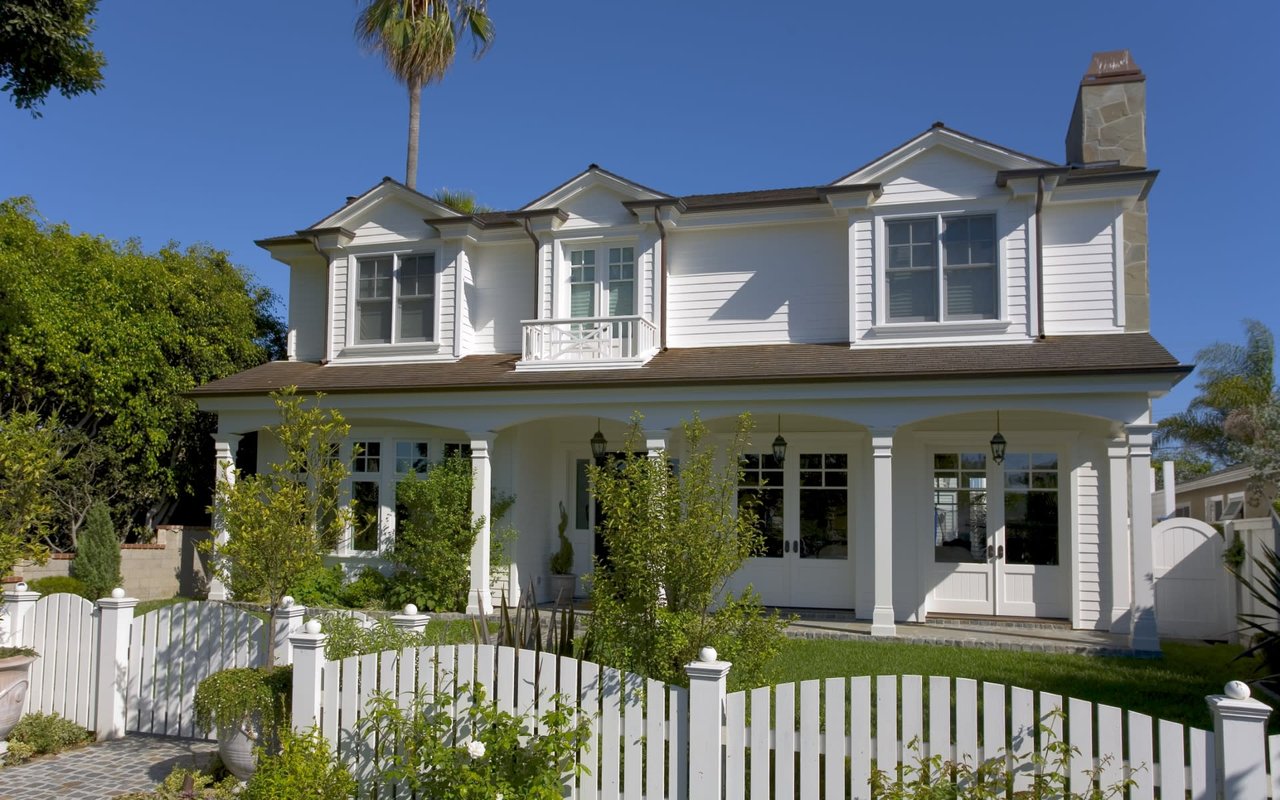
Modern construction is most visible in the Headlands and on select rebuilt parcels. Newer homes with indoor-outdoor design and high-end materials command strong prices. Still, in Dana Point, the ultimate premium often follows view, lot, and access more than “newness” alone.
Note on pricing: Many neighborhood medians draw from small monthly samples. One sale can swing a number. Use 6 to 12-month comps, and always check the specific micro-market before you set a target price.
What changes value
Ocean views and premiums
Water views often add meaningful value. National reporting found an average California uplift near 15 percent for ocean-view homes, with much bigger jumps in some coastal cities depending on the sample. In practice, ranges behave like this:
- Peek or partial views: low single digits to mid teens vs. a similar non-view home.
- Broad horizon or whitewater views: often roughly 10 to 30 percent uplift.
- Direct oceanfront or first row: 20 to 50 percent or more, with high volatility.
These are context ranges, not rules. The exact premium depends on the rooms with the view, view permanence, and competing listings.
Harbor walkability
Walkability can move price. A national analysis of listing data found that homes in more walkable areas sold for about 23.5 percent more on average, depending on the metro. In Dana Point, the Lantern District’s walk-to-harbor lifestyle is a clear draw. The planned Harbor revitalization, a project described at over $400 million, is expected to enhance visitor experience, dining, and public realm, which may support demand for nearby homes over time. You can review the revitalization overview and renderings in this report from CCR Magazine, and learn more about walkability’s price effects in this industry summary.
New vs. existing
Nationally, the price gap between new and existing homes narrowed in 2024–2025, and in some Western markets existing homes sold at or above new builds due to location. In Dana Point, new construction in the Headlands still carries a premium at the luxury end, but you often see buyers prioritize view, lot, and access over newness. For broader context on the narrowing gap, see the NAHB’s summary.
Coastal risk and insurance
Coastal ownership brings unique maintenance and risk profiles. Insurers have been tightening in higher-risk zones, and some carriers have reduced exposure in parts of California. Review this West region overview from Insurance Journal for context.
Before you rely on a price, complete these checks:
- Study FEMA flood maps and the California Natural Hazard Disclosure (NHD) package. A clear NHD is standard in California and outlines known hazards and zones. You can preview the disclosure framework here: California seller disclosures guide.
- For bluff-edge or close-in coastal parcels, request recent geotechnical reports and ask about coastal development permits and setbacks.
- Confirm insurance availability, premium range, and any prior claims history early in due diligence.
- Use NOAA’s Sea Level Rise Viewer to understand long-term exposure scenarios: NOAA coastal tools.
Read listings like a pro
Market metrics to watch
- Median list vs. median sale price: The spread hints at negotiating power. A sale-to-list ratio near 98 percent means most sales close close to ask citywide, but micro-markets can vary.
- Days on market: City averages near 86 days, yet hot listings can go much faster. Compare DOM within the same neighborhood and price tier.
- Price reductions and above-list sales: Both show where competition concentrates and where over-pricing is chasing the market.
Decode view and access
Listing terms such as “whitewater,” “panoramic,” or “ocean horizon” are marketing shorthand. Ask: From which rooms is the view visible? Is it permanent or at risk of future obstruction? Is it only from a rooftop deck? Also verify any private beach access or club rights. For example, Monarch Bay includes a private beach club program outlined on the Monarch Bay HOA site.
Coastal red flags
- Hazard and permit status: Confirm NHD items, flood zones, bluff setbacks, and any coastal development permits that could affect remodel or rebuild options. California sellers must disclose known material facts. The state disclosure overview is a good primer.
- Insurance reality: Ask about recent claim history and any insurer non-renewals. Availability and price can affect both lending and resale.
- Appraisal complexity: Unique or trophy homes can face appraisal gaps because true comps are scarce. Build in time and strategy for appraisal negotiations.
Listing status signals
Learning common MLS status terms helps you time offers. “Active Under Contract,” “Pending,” “Back on Market,” and “Coming Soon” each signal a different stage. For a plain-English explainer of status types, review this guide to listing statuses.
Timing and strategy
Seasonality plays
Spring often brings the most new listings and competition. Late summer into fall and winter can offer more negotiating room. Industry roundups, including this Bankrate overview, have found October and November can be favorable months for buyers on average. Let personal readiness and financing lead, then use seasonality as a tie-breaker.
Financing context
As of late February 2026, the average 30-year fixed mortgage rate hovered near 6.0 percent, down from peaks in prior years. Rates change daily. Check the latest Freddie Mac Primary Mortgage Market Survey via this PMMS press update and confirm real-time quotes with your lender.
Offer tactics by tier
- Sub $2.5 million: Turnkey, well-priced homes can move quickly. Have full pre-approval, proof of funds, and a clear inspection window. Expect strong photography and pre-inspection reports from sellers.
- $2.5 to $6 million: Inventory is thinner and quality varies more. A true whitewater view or harbor walkability will pull in different buyer pools. Patience and precise comps matter.
- $6 million and up: Expect longer marketing windows, customization needs, and appraisal or financing complexity. Be explicit about appraisal contingency and timelines.
Investor notes
If short-term rental income is part of your plan, make STR permissibility a precondition. Dana Point operates a capped permit program and enforces advertising and operating rules. Verify permit status and transferability with the city and any HOA before you model returns. Start with the city’s Short-Term Rentals page. Also remember that coastal ADR and occupancy are seasonal, and the Harbor’s evolution may change demand patterns over time.
How Vinter Luxe helps
You deserve advice that blends market fluency with practical, build-savvy guidance. At Vinter Luxe, you get both. Our brokerage is led by a former custom-home contractor, so we translate condition, scope, and code considerations into clear market implications and costed options.
Here is how we support you in Dana Point:
- Micro-market pricing: We benchmark your exact pocket with current comps and on-the-ground context, not just city medians.
- Condition and renovation planning: We identify what matters most to value, from structural items to smart finish updates, and estimate budget ranges and timelines.
- Coastal diligence: We help you review hazard disclosures, insurance realities, permits, and HOA items so there are no surprises.
- Offer and prep strategy: We calibrate contingencies, timing, and presentation for your target price tier and micro-market.
If you are comparing harbor walkability to whitewater views, or deciding between a remodel and a newer build, we will help you make the tradeoffs with confidence. Ready for a clear, construction-informed plan for your next move in Dana Point? Connect with Vinter Luxe Real Estate to get started.
FAQs
What is the current median home price in Dana Point?
- As of January 2026, public data shows a citywide median sale price near $1.995 million, with large variation by neighborhood and property type.
How much more do ocean views add in Dana Point?
- It depends on view quality and permanence, but ranges often run from single digits for partial views to 10–30 percent for broad horizons, and 20–50 percent or more for first-row oceanfront.
Is the Lantern District’s walkability worth a premium?
- Walkability often boosts value in many metros, and the planned Harbor revitalization could add long-term appeal for harbor-adjacent homes, which supports pricing power over time.
Are new builds always more expensive than older homes?
- Not always. Nationally the new-vs-existing price gap narrowed in recent years. In Dana Point, new construction can command a premium, but many buyers still prioritize view, lot, and access over newness.
What should I check before offering on a blufffront or beach-adjacent home?
- Review the NHD package, flood maps, geotechnical reports, any coastal development permits, and insurance availability and pricing. Confirm HOA rights such as beach access if applicable.
Can I operate a short-term rental in Dana Point?
- Possibly, if you hold a city STR permit and comply with caps and rules, and your HOA allows it. Permits may be capped or non-transferable, so verify details with the city and HOA before you buy.