What if your next home let you step from centuries-old charm to brand-new comfort in the same afternoon? In San Juan Capistrano, you can browse adobe-era cottages near the Mission in the morning, then tour modern model homes in Rancho Mission Viejo after lunch. If you are weighing character, convenience, and renovation potential, this guide will help you compare options side by side. You will learn how lot sizes, permitting rules, and amenities shape everyday life and future upgrades. Let’s dive in.
San Juan Capistrano at a glance
San Juan Capistrano is a small south Orange County city with a population in the mid 30,000s and a higher-cost housing market. The U.S. Census QuickFacts estimates the median value of owner-occupied homes at roughly 1.0 million dollars, which fits the coastal-suburban context of the area per Census QuickFacts.
Getting around is easy. Downtown has a rail station served by Metrolink’s Orange County and Inland Empire–OC lines, and Amtrak’s Pacific Surfliner also stops in town. Recent crossing upgrades near the station improved safety and operations, making rail a practical option for work or day trips to Irvine, Anaheim, Los Angeles, and Oceanside as covered in a Metrolink feature.
Lifestyle balances a walkable historic core with quick coastal access. Mission San Juan Capistrano anchors downtown, and beaches like Doheny State Beach and Dana Point Harbor are only a short drive. To the east, ranchland and open-space preserves offer miles of trails.
The old-world heart: Mission and Los Rios
What defines the vibe
The city’s historic identity centers on Mission San Juan Capistrano, founded in the 1770s. Its architecture, museum spaces, gardens, and annual traditions shape the ambiance of the surrounding streets as documented by the Mission’s history.
Los Rios Historic District
Across the tracks from the Mission, the Los Rios Historic District is one of California’s oldest continuously inhabited residential areas, with adobe cottages and early homes that showcase authentic materials and scale per National Register documentation.
Character here is protected. The City’s district requirements guide exterior work, materials, and site changes. Cosmetic updates are often feasible, but larger additions that alter a façade or historic fabric trigger detailed review. Lots are typically compact, which makes interior reconfiguration or a carefully designed accessory dwelling unit more realistic than large horizontal expansions in many cases see the City’s Los Rios Historic District Requirements.
The new-build scene: Rancho Mission Viejo
Rancho Mission Viejo, set just east of San Juan Capistrano, concentrates much of the area’s recent new-home activity. It is a master-planned community with distinct villages, on-site retail, clubhouses, pools, parks, trails, community farms, and a large nature reserve. Home types range from attached paired homes to single-family residences, along with age-targeted 55-plus neighborhoods. You can explore active villages, builders, and amenities on the community’s official site Rancho Mission Viejo.
How RMV lots and rules work
New villages feature regular lot footprints and modern infrastructure, plus community guidelines that keep neighborhood design cohesive. You benefit from newer mechanical systems and warranties, balanced by HOA design controls that govern exterior changes. In practice, additions or ADUs must satisfy both city permits and HOA review, which creates a clear path but defined limits learn more on the RMV site.
Outdoor living: trails, equestrian, and coast
The equestrian lifestyle is tangible in and around San Juan Capistrano. Regional parks and surrounding hills offer extensive multi-use trails and horse-friendly amenities. O’Neill Regional Park, for example, provides miles of trails and equestrian facilities within the broader South County network see the County’s district overview.
If you prefer modern neighborhoods with direct trail access, Rancho Mission Viejo preserves a significant nature reserve and markets trails and outdoor amenities as part of village life outlined on the RMV site. Meanwhile, downtown remains walkable for dining and local shopping, and the coast is close for beach days and boating.
Which home fits your lifestyle
Below is a practical look at the main home types you will see, how their lots are configured, and what that means for upgrades.
Los Rios and mission-era cottages
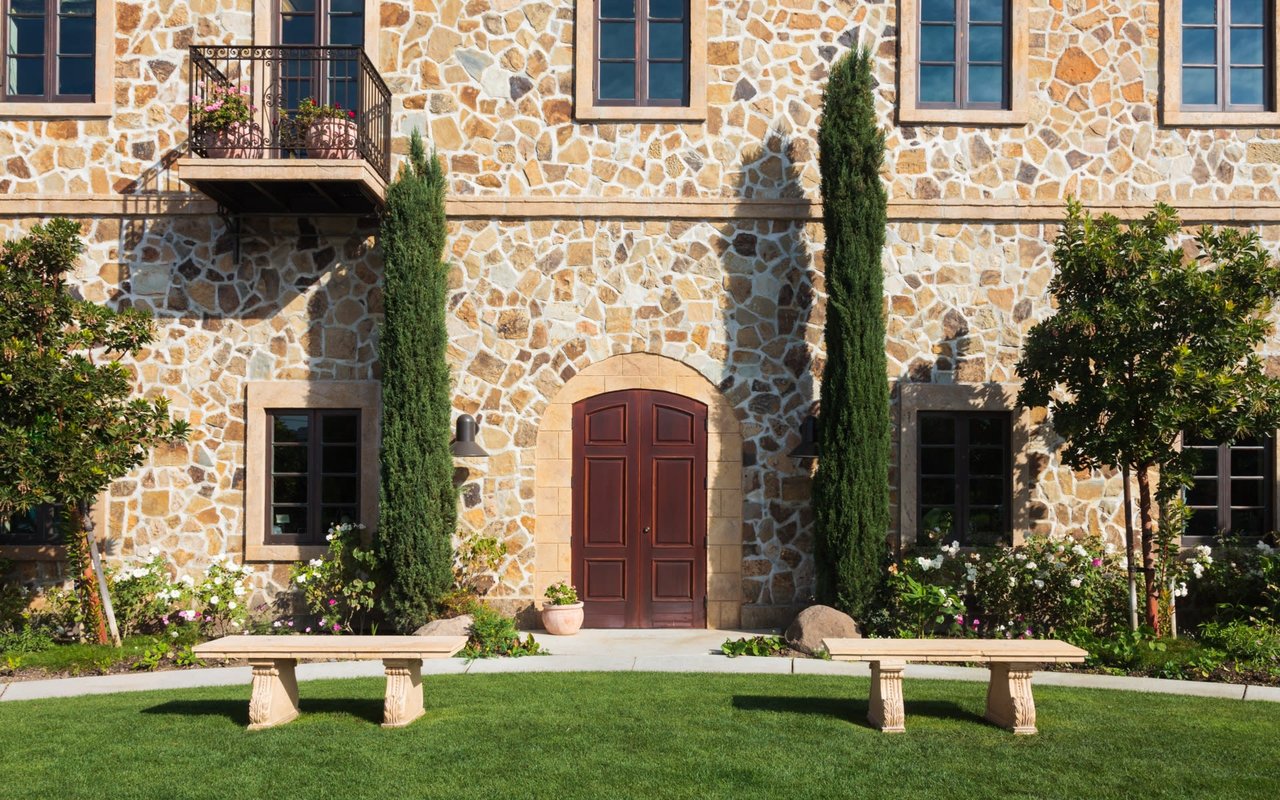
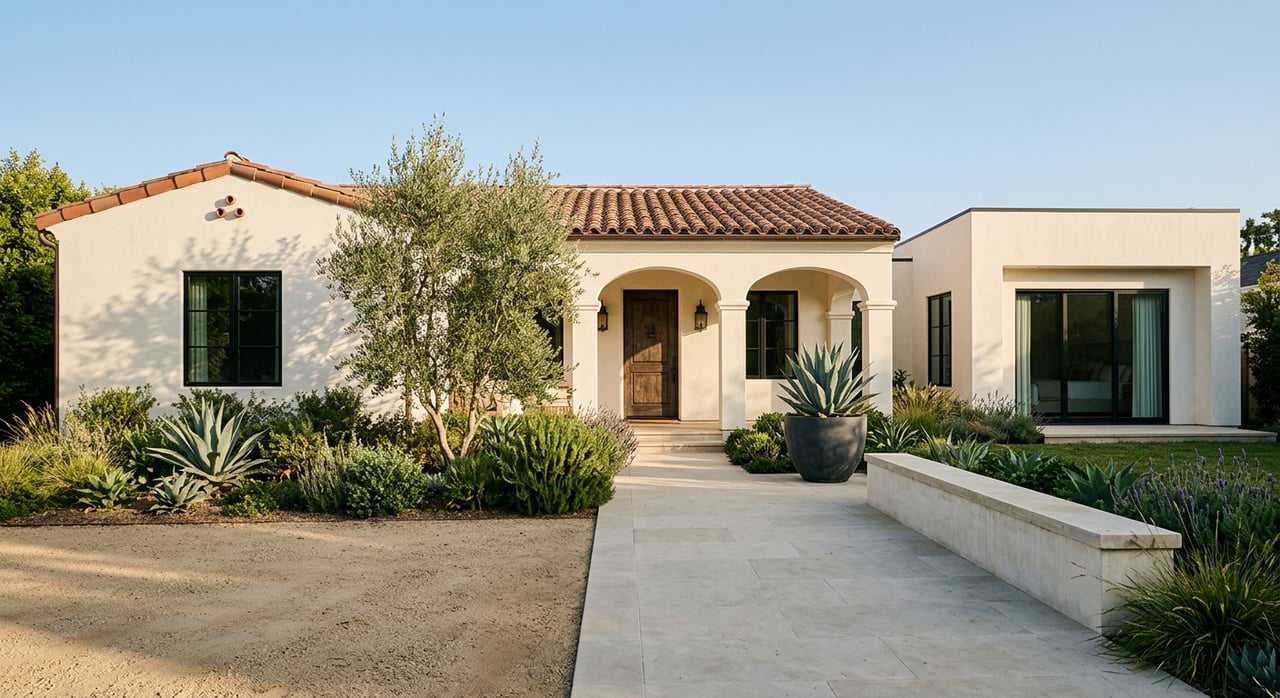
- Typical lot and layout: Compact historic lots with adobe or early cottages; limited yard depth compared to newer suburbs. Architectural character leans Mission Revival, Spanish Colonial, and Mediterranean period forms, with authentic details.
- Renovation and expansion: Interior modernization is common. Exterior changes that alter the street view or historic materials require formal review under district rules. ADU potential depends on lot size, setbacks, and historic standards, so early planning is key City district requirements.
- Timeline and permitting: Expect longer review windows for visible exterior work. Pre-application meetings with City planning can save time.
- Best fit if: You value walkability, authenticity, and the Mission-district atmosphere, and you are comfortable working within preservation standards.
Mid-century and suburban tracts
- Typical lot and layout: Regular suburban parcels that often measure in the multiple-thousand-square-foot range. Many homes lend themselves to open-kitchen re-plans, rear additions, and, in some cases, second-story expansions.
- Renovation and expansion: Generally straightforward, subject to city setbacks, height, and coverage limits. ADUs are often feasible with proper planning see the City ADU page.
- Timeline and permitting: Moderate. Structural changes and large additions still require permits and inspections.
- Best fit if: You want residential scale, a private yard, and flexibility to reconfigure interiors or add livable space.
Estate and equestrian enclaves
- Typical lot and layout: Larger 0.5 to 1-plus acre parcels in select gated or hillside areas. These lots can support barns, paddocks, arenas, pools, and accessory structures, subject to permitting and HOA rules where applicable.
- Renovation and expansion: Most flexible for horizontal expansion and outdoor living projects. Verify fire-zone requirements and site constraints early.
- Timeline and permitting: Varies with project size. Plan for thorough site and grading reviews for extensive work.
- Best fit if: You prioritize space, privacy, and the option to integrate equestrian facilities or resort-style outdoor amenities.
Master-planned RMV villages
- Typical lot and layout: A mix of attached homes and single-family residences on planned lots, with shared amenities, trails, and village centers.
- Renovation and expansion: Newer systems and finishes reduce near-term maintenance. Exterior modifications and additions require both city permits and HOA design review RMV overview.
- Timeline and permitting: Streamlined for like-for-like or interior updates. Exterior changes move through HOA and city pathways.
- Best fit if: You want turnkey living, community amenities, and clear design guidelines.
Renovation and permitting essentials
Understanding the local rules helps you plan realistic timelines and budgets.
- Historic district review: In Los Rios and other designated historic areas, exterior façades, additions visible from the street, and material changes often require design review. Early conversations with city staff can clarify what is feasible City district requirements.
- HOA and CC&R controls: In master-planned communities, exterior colors, materials, landscaping, and accessory structures are governed by HOA standards. Expect an HOA application alongside city permits.
- ADUs: California law and the City of San Juan Capistrano provide a clear permitting path for accessory dwelling units, with standard ADUs up to 800 square feet as a baseline and larger options under certain conditions. Utilities, parking, setbacks, and, in historic zones, design standards still apply City ADU guidance.
- Code triggers for major work: Substantial structural renovations can trigger California Building Code or International Existing Building Code provisions that require additional upgrades. If your project goes beyond cosmetic work, budget for structural review and possible seismic or life-safety improvements code framework reference.
- Hazard and insurance checks: Hillside and canyon areas may lie in mapped fire hazard zones. This can affect building standards, defensible space, and insurance availability. Review the City’s safety element and verify your site before committing to large expansions safety element overview.
Getting around and daily flow
Metrolink and Amtrak stops right downtown make regional travel practical, and recent crossing upgrades improved station operations for riders station context. Downtown offers cafes and shops within a compact, walkable grid by the Mission. Beaches at Dana Point are a quick drive. The city is served by Capistrano Unified School District, and several private schools operate nearby. Always verify current school boundaries and options when you evaluate specific homes.
How we help you choose wisely
Picking between a historic cottage and a new-build comes down to your day-to-day needs and your appetite for renovations. If you love character and plan to modernize interiors thoughtfully, old-town homes can be very rewarding. If you want a newer envelope with lower initial maintenance and shared amenities, a master-planned village might fit better. Estate and hillside properties offer space and equestrian options but require diligent due diligence on site conditions.
With a background in construction and remodeling, we help you:
- Evaluate structure, systems, and finish quality before you offer.
- Map realistic scopes for kitchen, bath, or whole-home updates.
- Navigate historic review, HOA design approvals, and ADU feasibility.
- Budget for code-triggered upgrades and hazard-mitigation work when needed.
Ready to compare neighborhoods, lots, and upgrade paths side by side? Connect with us at Vinter Luxe Real Estate to discuss your goals and next steps.
FAQs
What makes San Juan Capistrano unique for homebuyers?
- A walkable historic core anchored by the Mission pairs with nearby master-planned villages and open-space trails, plus rail service for regional commutes Census QuickFacts, station context.
Can you expand a Los Rios cottage into a larger home?
- It is possible in some cases, but exterior changes face historic-district review, and compact lots limit large additions, so many owners focus on interior modernization and careful infill City district requirements.
Are Rancho Mission Viejo new-builds more turnkey?
- Yes, you get modern systems and village amenities along with HOA design guidelines that keep exteriors consistent and set clear rules for any changes RMV overview.
Is building an ADU realistic in San Juan Capistrano?
- Often yes, with a clear city permitting path, though feasibility depends on lot size, setbacks, utilities, parking, and, in historic areas, design standards City ADU guidance.
Where can you find equestrian-friendly properties?
- Larger estate parcels and select gated or hillside areas offer room for equestrian uses, and the regional trail network supports riding, with O’Neill Regional Park as one example of nearby trail access County overview.
What permitting or code issues most often affect renovations?
- Historic-district review for visible exterior work, HOA approvals in master-planned areas, potential code upgrades for substantial structural changes, and hazard-zone standards in some hillside areas can all shape scope and cost code framework reference, safety element overview.