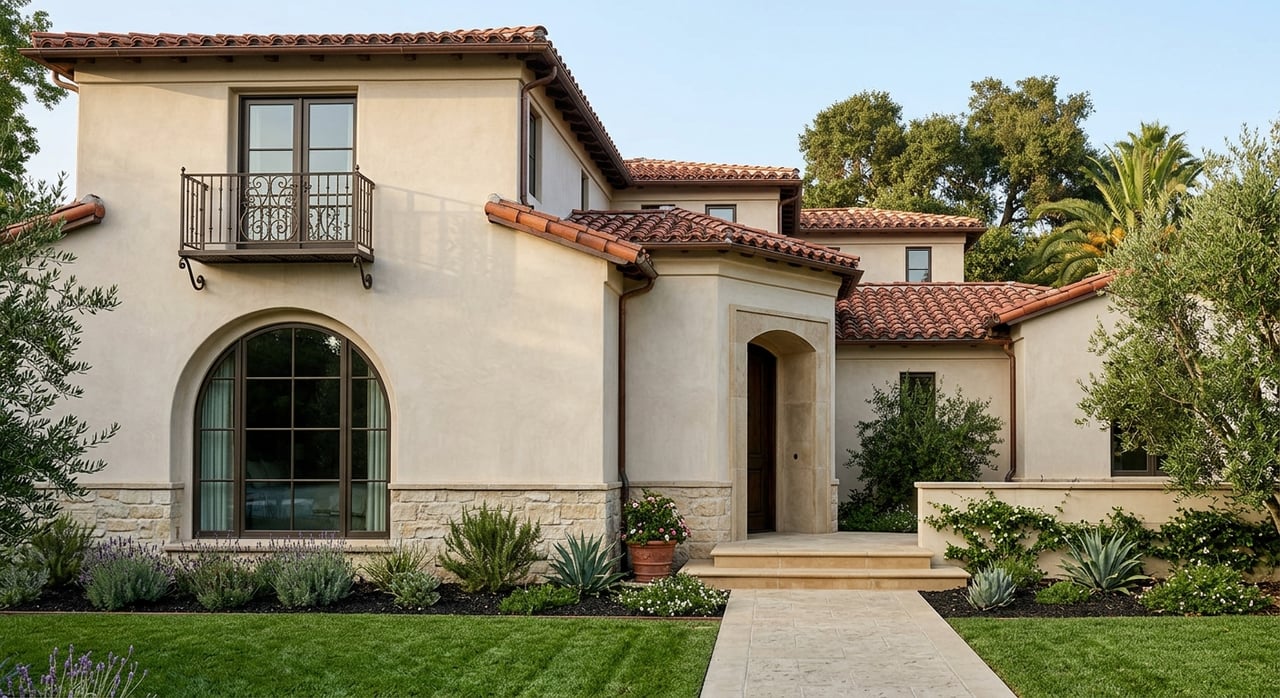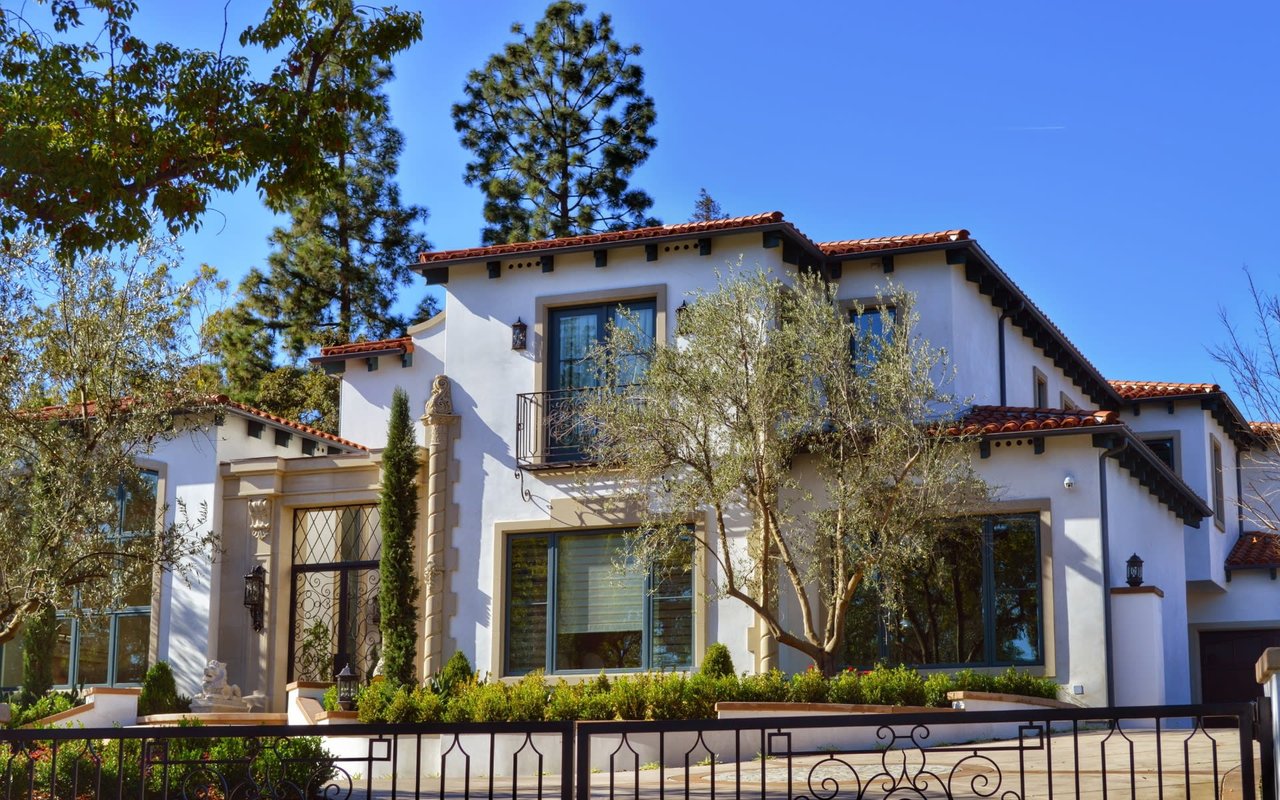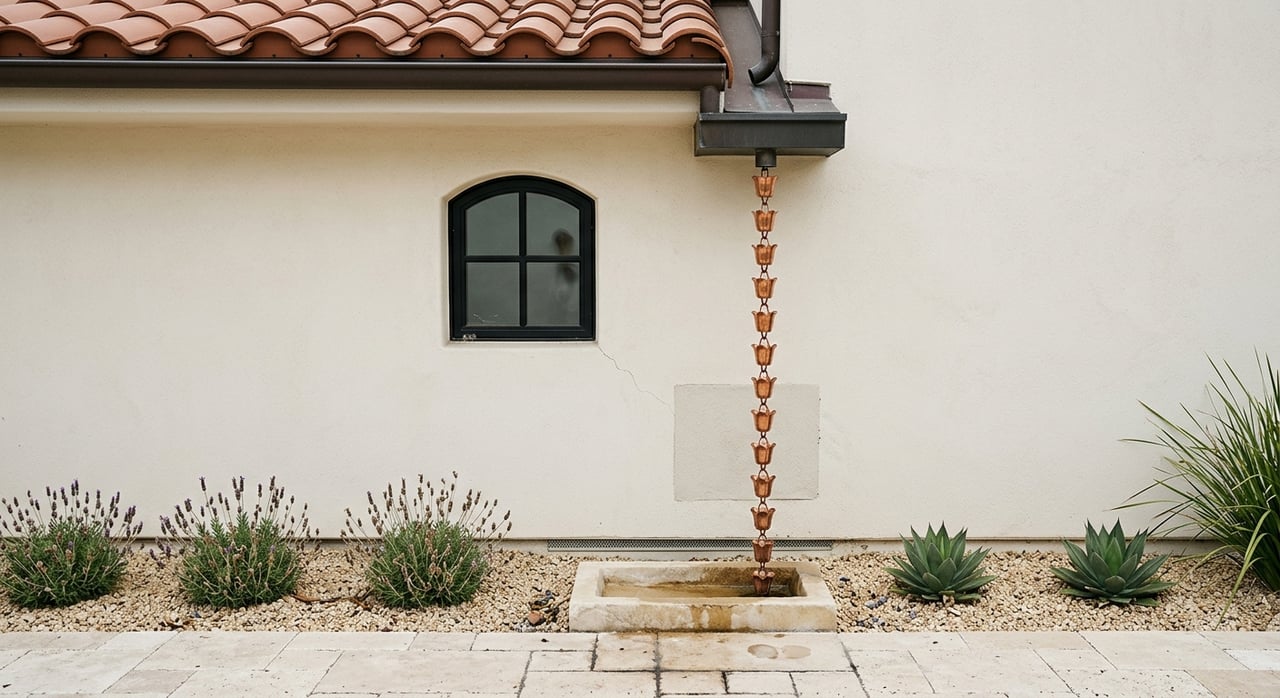
Thinking about buying a fixer-upper in Laguna Niguel? It can be a smart way to get into a desirable South Orange County market, but not every “needs work” home is the same. Some properties need simple cosmetic updates, while others hide bigger issues tied to age, permits, hillsides, or HOA rules. If you know what to look for before you tour, inspect, and offer, you can make a far more confident decision. Let’s dive in.
Why fixer-uppers are common in Laguna Niguel
Laguna Niguel’s housing stock skews older, which naturally creates more opportunities for homes that need updating. According to the city’s 2025 existing-conditions report, 66.9% of housing units were built in 1989 or earlier, and only 0.6% were built in 2020 or later. The biggest share was built in the 1980s, followed by the 1990s and 1970s.
That matters because many homes may be solid candidates for renovation, but age often brings wear to roofs, windows, systems, and finishes. Laguna Niguel is also a master-planned city with more than 120 homeowner associations, so evaluating a fixer-upper often means looking beyond the house itself. You also need to review HOA restrictions, permit history, and city development rules.
Start by separating cosmetic from structural
The first question to ask is simple: Are you looking at a cosmetic project or a true rehab? That distinction can affect your budget, timeline, financing, and stress level.
A cosmetic fixer usually needs finish-level updates such as:
- Paint
- Flooring
- Cabinets
- Countertops
- Light fixtures
- Plumbing fixtures
A more complex rehab usually involves one or more major systems or building components, such as:
- Roof issues
- Foundation concerns
- Electrical problems
- Plumbing defects
- HVAC replacement
- Moisture intrusion
- Structural damage
- Termite or pest damage
The California Department of Real Estate advises buyers to inspect electrical, plumbing, structural integrity, roof, foundation, HVAC, and pest-related issues. In Laguna Niguel, that advice is especially important because some homes that look like simple cosmetic projects may have hidden envelope or system repairs.
Older homes may need more than a refresh
Laguna Niguel’s older neighborhoods deserve a closer look. The city’s Consolidated Plan cites the Housing Element in estimating that about 5% of homes in older neighborhoods, typically built in the late 1960s and early 1970s, need structural repairs, mainly new roofs and window replacements.
That means a home with dated finishes may not just need a style update. You could also be looking at costly work tied to the building exterior and long-term weather protection. New floors and paint are one budget. Roof and window replacement are another.
Hillside lots need extra scrutiny
Laguna Niguel is known for its rolling hillsides, ridgelines, and slopes. The city’s materials note that landslides are a particular concern because much of the community is built on hills. If a fixer-upper sits on or near a slope, you should treat the lot and drainage conditions as part of the home’s overall risk profile.
In these cases, pay special attention to:
- Drainage patterns
- Grading conditions
- Retaining walls
- Signs of slope movement
- Past stabilization work
- Water intrusion near foundations or lower walls
A hillside home may still be a great opportunity, but slope-related issues can quickly change the scope of your renovation. What looks like a backyard improvement project could become a drainage and retaining wall project instead.
Pre-1978 homes call for material testing
If the home was built before 1978, plan for another layer of due diligence. EPA guidance says many pre-1978 homes contain lead-based paint, and renovation work can create hazardous dust. EPA also advises that suspect asbestos-containing materials should be tested by a qualified professional before renovation disturbs them.
In practical terms, this can affect your timeline and budget if the home has older paint, floor tile, ceiling materials, pipe wrap, or similar components. You do not need to assume every older home has a major hazard issue, but you should evaluate the possibility before starting demolition or remodel planning.
Check public records before you fall in love
One of the smartest ways to evaluate a Laguna Niguel fixer-upper is to review public records early. This can help you spot red flags before you write an offer or remove contingencies.
Review zoning and property standards
Laguna Niguel’s Property Information Tool provides zoning and property details, including setbacks, height limits, permitted uses, and other development standards. If you are considering an addition, garage conversion, or ADU, this is a useful early checkpoint.
It can help you answer practical questions like whether your renovation idea is even plausible on that lot. That matters if your plan depends on adding square footage or changing how the home functions.
Pull permit history
The city’s Permit Center allows users to search permit history, view permit status, and review inspection-related information. The city also notes that permits help protect property values, support resale, and may matter for financing because some lenders will not finance a purchase without proof of final city inspection.
If a home shows signs of renovation, compare what you see in person with the permit record. Updated kitchens, added patios, reconfigured layouts, or garage conversions should prompt questions if there is no corresponding permit history.
Compare original plans when possible
For homes built after Laguna Niguel’s incorporation in 1989, the city says it may have original copies of the home plans. That can be especially helpful if the current layout appears altered or if you want to confirm whether walls, room configurations, or additions match the approved design.
This step can clarify whether a home was simply updated or meaningfully changed over time. For buyers evaluating renovation potential, that insight can be valuable.
HOA review is part of the evaluation
In Laguna Niguel, HOA review is often just as important as the inspection itself. The city says each HOA has its own CC&Rs, and while HOAs are subject to city zoning and ordinances, they may still regulate exterior changes and other property decisions.
Before you treat a fixer-upper as an open canvas, ask for:
- CC&Rs
- Architectural guidelines
- Prior approvals for exterior work
- Rules for patios, windows, landscaping, and similar improvements
- HOA dues and any special assessments
The city also notes that tree, shrub, and ground-cover removal on HOA property requires City Planning Division review. That is a good reminder that outdoor renovation plans may involve both HOA and city oversight.
Know what to ask during inspections
A general home inspection is essential, but the quality of your questions matters too. The goal is not just to get a list of defects. It is to understand which issues are cosmetic, which are system-level, and which ones could become expensive in the near future.
Ask these key questions
During your inspection period, consider asking:
- Which issues are cosmetic versus system-level?
- What major replacement is likely needed first?
- Is there evidence of moisture intrusion?
- Are there signs of settlement or structural movement?
- Do you see concerns tied to roof, plumbing, electrical, or HVAC?
- Is there evidence of pest or termite damage?
- Do any updates appear unpermitted?
If the home is on a slope, also ask about drainage, grading, retaining walls, and any geotechnical reports. If the home was built before 1978, ask whether lead-safe work practices or asbestos testing should be considered before renovation begins.
Look at the full cost, not just the purchase price
A fixer-upper can look appealing because of the list price, but your true cost is broader than the home price and visible remodeling items. You should also factor in HOA dues, special taxes or assessments, inspection findings, permit-related work, and any major replacements that may come sooner than expected.
This is where many buyers get tripped up. A home that seems like a value on day one can become much less attractive if you later discover roof replacement, drainage repairs, window replacement, and HOA constraints on your renovation plans.
A simple Laguna Niguel evaluation checklist
If you want a practical way to size up a fixer-upper, use this checklist before and during your offer process:
- Check the year built to gauge likely age-related concerns.
- Decide if the work is cosmetic or system-level.
- Review permit history for past remodels or additions.
- Check zoning and development rules if you want to expand or reconfigure.
- Review HOA documents for exterior and architectural limits.
- Inspect for roof, windows, moisture, and structural issues.
- Ask extra hillside questions if the lot sits on or near a slope.
- Plan for lead-safe and asbestos testing when age and materials warrant it.
- Add carrying costs like dues, assessments, and major repairs into your budget.
Why local, construction-informed guidance matters
In Laguna Niguel, a fixer-upper is rarely just about style. The city’s older housing stock, hillside setting, and layered HOA and permit framework can all affect what a project really involves. A home that looks like a light refresh can shift into a much more complex rehab once inspections and records tell the full story.
That is why it helps to evaluate these homes with both market awareness and practical construction insight. If you are weighing renovation potential in Laguna Niguel, Vinter Luxe Real Estate offers buyer guidance shaped by local knowledge and hands-on remodeling experience.
FAQs
What makes a fixer-upper in Laguna Niguel cosmetic versus complex?
- A cosmetic fixer usually needs finish updates like paint, flooring, cabinets, and fixtures, while a complex rehab involves major systems or building components such as the roof, foundation, plumbing, electrical, HVAC, or structural issues.
Why do Laguna Niguel fixer-uppers need HOA review?
- Laguna Niguel has more than 120 homeowner associations, and many homes are in planned communities where CC&Rs and architectural guidelines can affect exterior changes, landscaping, patios, windows, and other renovation plans.
What public records should you check before buying a fixer-upper in Laguna Niguel?
- You should review the city’s zoning and property standards, permit history, and when available, original home plans to help confirm what was approved and whether your future renovation goals may fit the property.
What should you ask an inspector about a Laguna Niguel hillside home?
- Ask about drainage, grading, retaining walls, signs of movement, moisture intrusion, and whether any prior slope stabilization or geotechnical documentation should be reviewed.
Do older Laguna Niguel homes need lead or asbestos testing?
- Homes built before 1978 may require added caution because lead-based paint is more common in that age range, and suspect asbestos-containing materials should be tested by a qualified professional before renovation disturbs them.